Transport Your Designs Back to the Psychedelic Era with Grobeg
There’s a certain unmistakable energy that defines the most iconic visual eras—a bold, unapologetic confidence that makes designs not just seen, but felt. For contemporary graphic designers seeking to channel that powerful retro aura with precision and modern flair, the Grobeg typeface emerges as a standout creative asset. This bold, groovy display face is more than just a nostalgic nod; it's a versatile tool engineered for high-impact visual communication in today's saturated digital and print landscapes.
Understanding the Anatomy of Grobeg
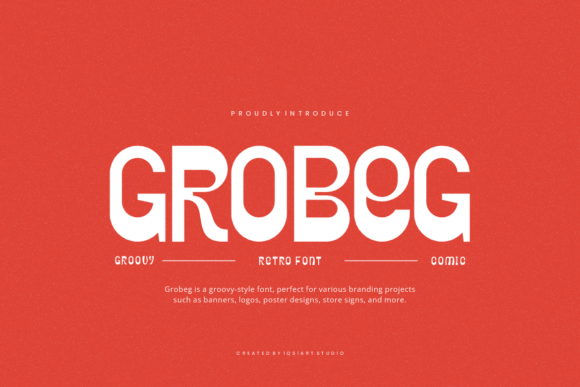
At its core, Grobeg is a masterclass in vintage aesthetics executed with a clean, contemporary sensibility. Its defining features are liquid-like curves and heavy, bottom-weighted letterforms that give each character a grounded yet dynamic presence. This unique silhouette is characterized by expressive terminals and a distinct "wavy" personality, radiating the rhythmic flow of classic disco and psychedelic design. Unlike purely retro fonts that can feel dated, Grobeg bridges the gap, offering the soul of the 1970s with the sharpness required for modern branding and digital interfaces.
Strategic Applications in Modern Design Projects
The true value of a typeface like Grobeg lies in its practical application across diverse creative projects. Its high-impact nature makes it an excellent choice for specific design goals where grabbing immediate attention is paramount.
- Branding & Logo Design: For brands targeting a youthful, energetic, or counter-culture audience—think boutique breweries, record labels, streetwear lines, or music festivals—Grobeg can form the cornerstone of a memorable brand identity. Its distinctive character ensures logos and wordmarks are instantly recognizable.
- Marketing & Advertising: In the realm of digital marketing and social media graphics, Grobeg excels at creating scroll-stopping content. Use it for headline copy on festival posters, album cover typography, or vibrant Instagram stories that demand engagement. Its boldness ensures readability even at smaller sizes on mobile screens.
- Packaging & Merchandise: When designing packaging for products like artisanal spirits, retro snacks, or vinyl records, Grobeg injects immediate shelf appeal. Similarly, it translates beautifully to apparel branding, where its funky aesthetic can define the visual language of a clothing line.
- Editorial & Web Design: While primarily a display face, Grobeg can be used strategically in editorial layouts for pull quotes or section headers, adding a burst of personality. In UI/UX design, it can create powerful, thematic hero sections or call-to-action buttons that stand out.
Tips for Effective Implementation
Integrating a character-rich font like Grobeg into a design system requires thoughtful execution to maintain professionalism and readability. Consider these practical guidelines:
- Prioritize Breathing Room: Because of its expressive terminals and unique forms, Grobeg works best when given ample space. Increase letter-spacing and line-height to allow its personality to shine without causing visual clutter.
- Pair with Complementary Elements: To fully lean into its retro energy, pair Grobeg with grainy textures and vibrant, warm color palettes. For contrast and balance in a brand identity system, combine it with a clean, neutral sans-serif for body copy.
- Mind the Visual Hierarchy: Use Grobeg exclusively for headlines, logos, or key graphic elements. Its heavy weight and decorative nature make it unsuitable for long-form text, where it would impair readability and user experience.
- Evaluate Audience Alignment: Always assess whether the font's vibe aligns with your target audience's expectations and the project's core message. It’s perfect for evoking nostalgia, fun, and boldness but may not suit corporate or minimalist contexts.
Ultimately, the power of thoughtful design lies in selecting assets that do more than decorate—they communicate. The Grobeg typeface exemplifies how a single creative resource, when chosen and applied with strategic insight, can elevate a project from ordinary to extraordinary. By understanding its strengths and applying it with purpose, designers can craft compelling visual narratives that resonate deeply, strengthen brand recall, and ensure a polished, professional presentation across every touchpoint.