Toy Robot: A Playful Typeface for Vibrant Design
Imagine a font that instantly sparks joy and captures the essence of childhood wonder. The Toy Robot font does exactly that, offering graphic designers a unique tool to inject personality and energy into creative projects.
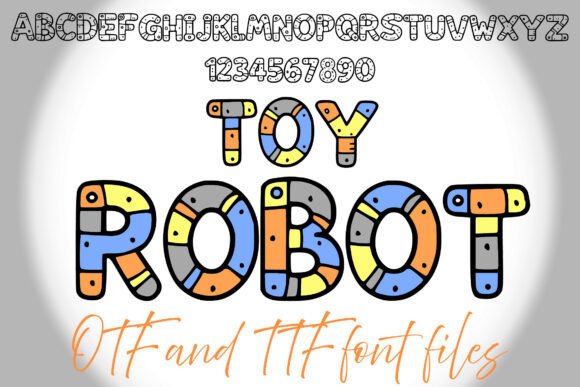
This typeface is more than just a collection of letters; it's a visual language. Designed to resemble colorful, interlocking toy robot parts, its bold, bubbly structure is engineered for maximum impact. In a design landscape saturated with minimalist sans-serifs, Toy Robot provides a refreshing burst of nostalgia and fun, making it a powerful asset for specific branding and communication goals.
Why Playful Typography Matters in Modern Graphic Design
Effective visual communication hinges on choosing the right tools to convey a message. While professional typography often leans toward clean and corporate, there's a significant and growing demand for designs that feel approachable, energetic, and emotionally engaging. This is where a typeface like Toy Robot excels. It serves as a strategic creative asset, allowing designers to:
- Establish a Strong Brand Identity: For brands targeting families, children, or the education sector, this font can become a cornerstone of a memorable and friendly brand identity. It signals creativity, playfulness, and accessibility.
- Enhance User Engagement: In UI design for educational apps or children's websites, playful typography can improve the user experience (UX) by making interfaces feel less intimidating and more inviting, encouraging interaction and exploration.
- Strengthen Visual Hierarchy: When used strategically for headlines, subheadings, or call-to-action buttons, its distinctive form naturally draws the eye, creating a clear and dynamic visual hierarchy that guides the viewer.
Practical Applications for Maximum Impact
The true value of any creative resource lies in its application. Toy Robot's vibrant character makes it exceptionally versatile for projects that aim to stand out and connect on an emotional level. Consider its use in the following areas:
- Toy Packaging Design: This is its natural habitat. It communicates the product's essence before the box is even opened, promising fun and imaginative play.
- Children's Book Editorial Design: Use it for chapter titles or key phrases to add a playful typographic element that complements the illustrations.
- Birthday Invitations and Event Graphics: Its festive and energetic vibe sets the perfect tone for celebrations, making invitations feel special and exciting.
- Social Media Graphics and Marketing Materials: Create eye-catching posts, ads, and banners that stop the scroll. It's particularly effective for promotions related to kids' products, educational workshops, or family-friendly events.
- Logo Design and Branding for Youth-Oriented Businesses: From tutoring services to children's apparel lines, a logo set in Toy Robot can convey approachability and innovation.
Tips for Effective Implementation
Using a highly stylized font effectively requires thoughtful design strategy. To ensure your projects maintain a professional presentation while leveraging its unique charm, keep these principles in mind:
- Prioritize Readability: While decorative, ensure the text remains legible at the intended size. Test it thoroughly, especially for body copy where a simpler companion font might be necessary.
- Consider Scalability: A font that looks great on a poster may lose detail on a small mobile screen. Evaluate its performance across different scales for consistent results in web design and print design.
- Balance with Simplicity: Pair Toy Robot with a clean, neutral sans-serif or serif font for longer passages of text. This creates a harmonious contrast that maintains visual hierarchy and prevents the design from feeling overwhelming.
- Align with Audience Expectations: Understand your target demographic. This typeface resonates powerfully with a younger audience and their parents but may not suit formal corporate communications. Its effectiveness is tied to the appropriate context.
Ultimately, the choice of typography is a fundamental design decision that shapes perception and communication. Selecting a resource like Toy Robot is not merely about aesthetics; it's a strategic move to inject specific emotions and qualities into a brand or project. By thoughtfully integrating such creative assets, designers and creators can build more compelling visual narratives, foster stronger connections with their audience, and ensure their work is not only seen but truly felt.